Why Bill?
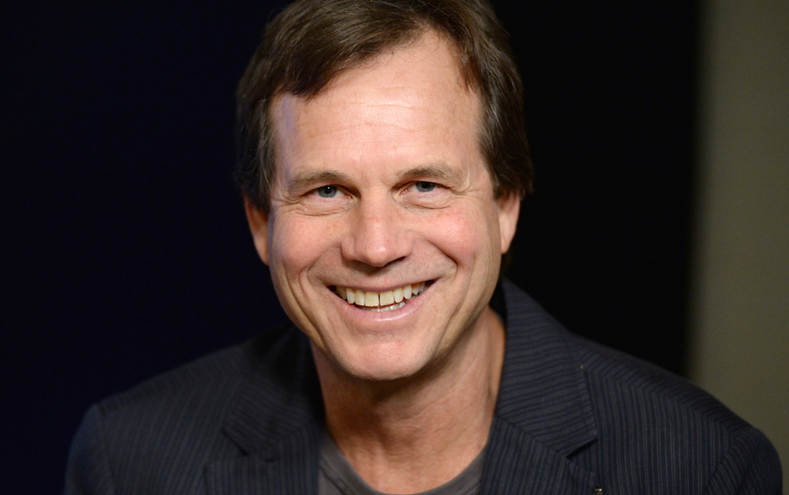
Bill Paxton (1955-2017)
Like a lot of 80s kids, I grew up chasing R-rated genre movies I wasn’t supposed to see. In the UK, that meant BBFC-rated 18 action flicks — borrowed VHS tapes, or late night glimpses on one of the four TV channels. It was a rite of passage.
Aliens was my first hit of Bill Paxton. He didn’t feel like an action hero; he felt like the only person in the movie reacting the way a real human would if dropped into an alien warzone. Hudson wasn’t the hero, but he was us. Panicked. Funny. Flawed. Human.
When his last stand came — after two acts of bravado, meltdowns, and fear — Hudson stood his ground. For a boy raised in a stoic household where emotion was treated as weakness, Paxton was a revelation. He showed you could fall apart and still matter. You could be scared, and still show up for the team.
I didn’t follow his career obsessively. Life moved on. But when he died in 2017, it hit harder than I expected — not because of one role, but because he made me feel seen at an age when I didn’t have the words for it.
The Sleeping Man in Orbit was born from that feeling. Not just as a tribute, but as a celebration of what Paxton represented: the magnetic pull of a “supporting” character who somehow becomes the soul of the film.
Brian Lau is my Hudson — a man trying to break out of his selfimposed supporting role, finally ready to take up space. The Paxton energy runs all through the film. Some nods are subtle, some loud. All are meant to honor the greatest scene-stealer who ever lived — the guy who made losing it on screen look like the most honest thing a person could do.
We talk a lot about representation on screen. For me, it wasn’t about finding someone who looked like me. It was about finding someone who felt like me — even if they looked nothing like me.
That’s what Bill Paxton gave me.
That’s what Brian remembers.
— Ben Wong